
A dedicated chess computer can be worth it when you want a ready, low-distraction solo opponent at a physical board and will use it several times a month. It is harder to justify when a free app already suits you, you mainly play other people, or you have not yet built a regular practice habit.
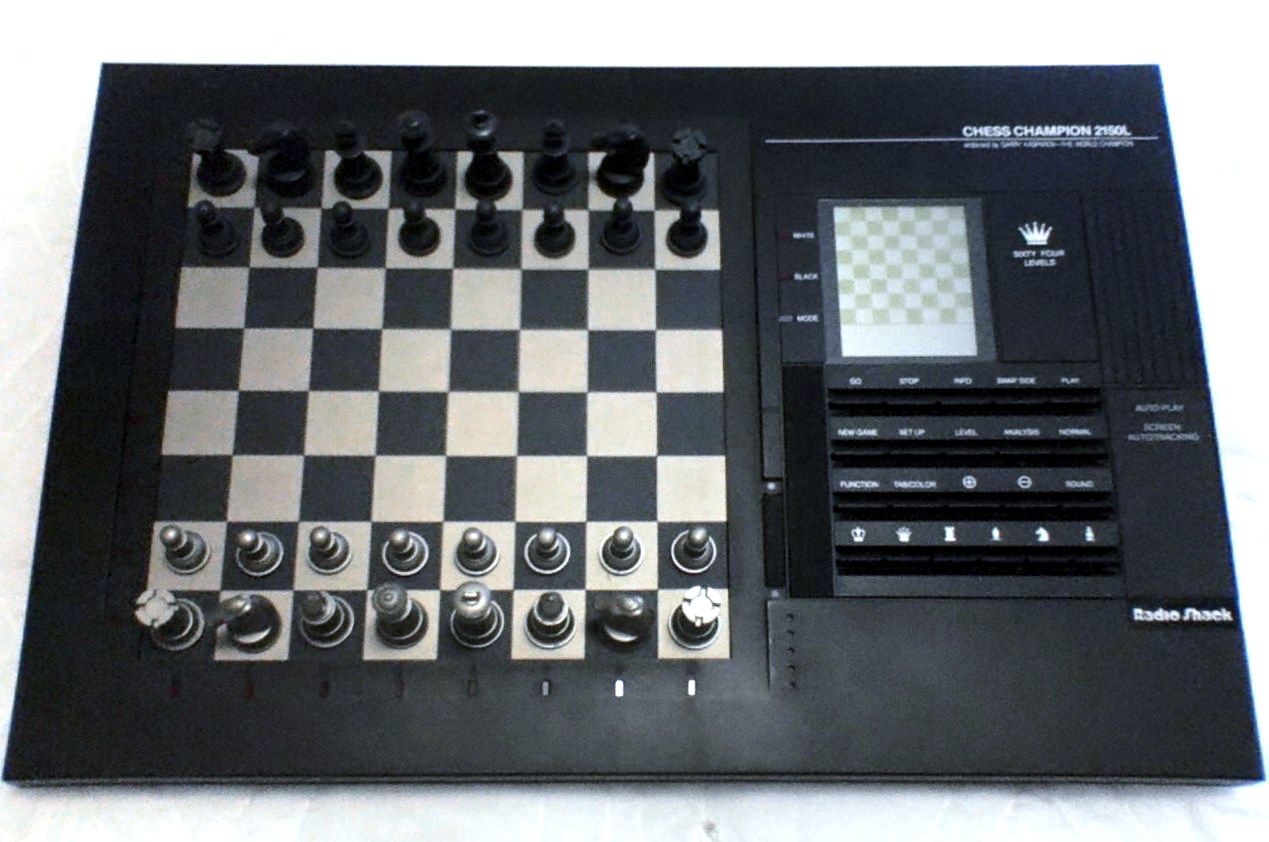
“Dedicated chess computer” here means self-contained chess hardware designed to play against you, usually through a physical board or compact button interface. It is not the same decision as buying a connected board mainly to record moves or relay online games.
The Good Chess & Checkers may earn commissions from qualifying purchases.
Quick decision aid
Compare dedicated chess computer formats
Check the current manual before buying. Confirm board size, move-entry method, power, included pieces, controls, documented play levels, undo behavior, and whether the unit works without an account or another device.
Quick verdict
- Buy when solo physical-board play is a stable habit and screen-free, always-available opposition is the feature you actually need.
- Borrow or try first when you are unsure whether button presses, move entry, and a small display will feel natural.
- Choose an app when portability, frequent updates, lessons, puzzles, or a wide choice of online opponents matter more than dedicated hardware.
- Choose an ordinary board when most practice involves another person, a book, or positions you set up yourself.
- Skip when the purchase is meant to create a practice habit rather than support one that already exists.
What a dedicated computer does well
The clearest advantage is availability. You can start a solo game without arranging another player, signing into a service, or giving a general-purpose phone a place at the table. For someone who reaches for a physical board more readily than a screen, that narrower purpose can be helpful.
A self-contained device may also reduce interruptions from messages and unrelated apps. That does not make it a better teacher by itself. It simply keeps one activity in one object. The value depends on whether that simpler boundary changes what you actually do.
Six checks before buying
1. Move entry and correction
Some units sense pressure on squares; others require button or coordinate entry. Read the manual for ordinary moves, captures, castling, promotion, takebacks, and position setup. A method that feels acceptable for one demonstration may become tedious across a full game.
2. Board and piece readability
Compare the full board dimensions, square size, piece height, base diameter, color contrast, and coordinates. Compact hardware saves storage space but can make pieces crowded. Do not infer scale from a close product photo.
3. Controls you can understand
Look for a readable manual and clearly labeled controls. Confirm how to start a new game, choose a documented level, ask for a hint if that feature is listed, correct an input, save a position if supported, and reset the unit. Avoid assuming that two similarly shaped devices share the same controls.
4. Power and storage
Verify whether the device uses replaceable batteries, rechargeable power, or an adapter, and whether the required cable or adapter is included. Measure the shelf or drawer where it will live. Keep the pieces and power accessories together so “ready to play” remains true.
5. The kind of feedback you want
A computer opponent supplies moves. It may not explain plans, diagnose a recurring mistake, or structure lessons. Use only the learning and feedback features the current manufacturer documentation actually describes. If explanation is the goal, a beginner book, lesson, or app with visible teaching content may be a better fit.
6. A workable return test
Before the seller's stated return window ends, play complete games rather than only testing the opening moves. Try a capture, correction, castling, promotion setup, level change, power cycle, and storage routine. Keep packaging until you know the interface suits the player.
Dedicated computer versus common alternatives
Chess app: usually easier to try and carry, with features that can change over time. It also brings notifications, account questions, screen time, and a touch interface. Verify current terms and device support directly with the app provider, then use the chess computer vs chess app offline-practice comparison when working without a connection is the deciding constraint.
Ordinary board plus app: preserves full-size physical pieces but often requires entering moves twice or looking back and forth. Test that routine with equipment you already own before paying for more hardware.
Ordinary board plus book: works well for guided positions and can explain ideas in sequence, but it does not provide a responsive opponent. Start with beginner-friendly chess book formats when structured instruction matters more than solo play.
Club, friend, or family game: offers conversation and varied human decisions, though it depends on schedules. A computer is a supplement, not a requirement for meaningful practice.
Who should skip a dedicated chess computer?
- Absolute beginners who still need to learn setup and how the chess pieces move.
- Players who already enjoy an app and do not mind using a screen.
- Families who mainly play together and need a readable shared set instead of a solo opponent.
- Anyone expecting the device to explain every mistake or guarantee improvement.
- Buyers who cannot find a current manual, dimensions, power details, or a clear return route.
- People who need current online services or automatic game syncing; those are separate features that must be verified for the exact product.
Run a no-spend test first
- Use an ordinary board and a free computer opponent or app for three complete solo games.
- Put the phone or computer in focus mode so notifications do not distort the test.
- Notice whether you enjoy moving physical pieces and whether entering the opponent's moves feels reasonable.
- Write down the one recurring frustration a dedicated device must remove.
- Read the proposed product's current manual and confirm that its actual workflow addresses that problem.
- Borrow a unit when possible, or buy only with enough time to test full games within the stated return terms.
Bottom line
A dedicated chess computer is worth considering for a casual player who already practices alone, prefers physical pieces, and wants a self-contained opponent without general-purpose screen distractions. The strongest reason to buy is not playing strength or a long feature list; it is a simple routine you will repeat.
For everyone else, delay the purchase. Start with a readable board and an existing app, borrow hardware if available, and identify the exact friction. If solo physical-board play remains the habit and a documented device removes that friction, the category has a clear job. If not, an ordinary board is the more flexible choice.
The planned beginner-chess pillar is not yet built. For now, continue with the site's practical beginner set guide for board and piece fit.