
Once you can set up the board, make legal jumps, and crown a king, a basic rule book stops being enough. The useful next book should explain why a position is good or bad, give you manageable examples, and match the version of checkers you actually play.
This is a selection guide, not a hands-on ranking. We have not worked through every position in every edition. Titles can be reprinted with different covers or formatting, so confirm the author, edition, contents, notation, and checkers variant before buying.
The Good Chess & Checkers may earn commissions from qualifying purchases.
Quick decision aid
Choose a teaching style before choosing a title
A casual player usually needs explained positions and a gradual path more than a dense reference. Preview the diagrams and notation, then confirm that the book teaches the same 8-by-8 checkers variant you play.
Selection Criteria That Matter
- Variant: American checkers and English draughts usually use an 8-by-8 board, but international draughts and other variants differ in board size, capture rules, king movement, and notation. Check the title page and sample positions.
- Starting level: a next-step book should assume legal play but still explain strategic terms. A problem collection may assume much more.
- Diagram frequency: casual readers need enough board diagrams to follow a position without reconstructing a long move list.
- Notation: numbered-square notation is common in checkers books. Confirm that the book explains its numbering system and keep a matching reference beside the board.
- Explanation: look for reasons—tempo, forcing moves, exchanges, opposition, promotion paths—not only a printed answer.
- Practice design: worked examples teach an idea; exercises reveal whether you can use it. The strongest fit includes both.
- Edition and print quality: older books can contain valuable instruction, but a small reprint, faint diagram, or missing introductory material can make the lesson harder to use.
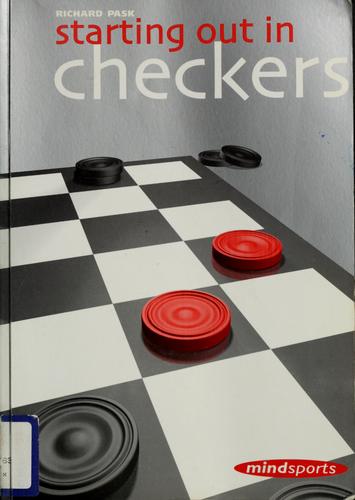
Best Structured Next Step: Starting Out in Checkers by Richard Pask
A bridge from rules to planned play
Consider this when you want a book organized as a course rather than an encyclopedia. Check the sample pages for the balance of prose, diagrams, and notation that suits you, and verify that the listing is for Checkers, not the separate Draughts edition.
Best for: a player who knows the rules and wants concepts introduced in a deliberate sequence.
Skip it if: you want a very short rules refresher, a book for a young pre-reader, or a reference you can open at any topic without following a course.
Best Classic Practice Format: Win at Checkers by Millard Hopper
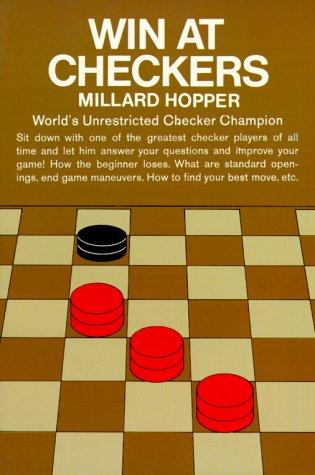
A compact older-school instruction option
This is a recognizable example of the classic instructional format. Before choosing a reprint, preview the diagram size, type quality, contents, and notation explanation; an inexpensive reproduction is not useful if its boards are hard to read.
Best for: adults who are comfortable with a traditional layout and want focused checkers instruction in a compact book.
Skip it if: you need modern color diagrams, large print, extensive workbook space, or a highly conversational teaching style.
Best Alternative Classic: How to Win at Checkers by Fred Reinfeld
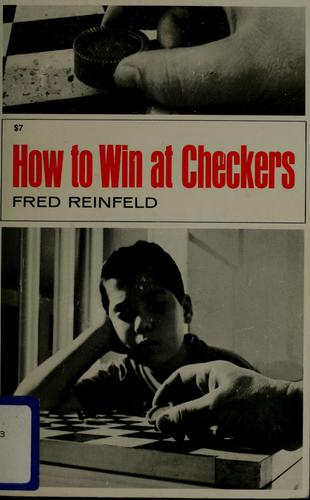
Another traditional path beyond basic rules
Use this as an edition to compare with other classic checkers manuals, not as an automatic best choice. Match the exact author and title, then inspect sample pages to see whether the explanations are clear enough without a teacher beside you.
Best for: a reader comparing traditional strategy manuals and willing to set positions up on a physical board.
Skip it if: the available edition has unclear diagrams, omits the notation key, or assumes more experience than the sample pages suggest.
Best Reference Format: A Comprehensive Checkers Manual
A broad manual such as Tom Wiswell’s The Complete Guide to Checkers may suit a reader who wants more material to revisit over time. A reference is most useful when its table of contents and index make positions, openings, endgames, and tactical themes easy to locate.
The word “complete” on a cover does not guarantee a beginner-friendly path. Older comprehensive books may compress explanations, use dense notation, or expect the reader to play through long variations. Preview a middle chapter and the notation guide before treating a reference as your first strategy book.
Best for: a patient reader who wants depth and is comfortable using a book beside a board.
Skip it if: you want short, guided weekly lessons or need every concept introduced through large diagrams.
Quick Comparison Framework
- Choose a structured course when you want ideas introduced in order and can read a chapter at a time.
- Choose a classic manual when traditional diagrams and notation are comfortable and you will rebuild positions on a board.
- Choose a comprehensive reference when you already recognize basic strategic ideas and want a book to consult repeatedly.
- Choose a problem collection later when you can explain your candidate move and want concentrated calculation practice.
- Choose a beginner rule book instead when forced captures, multiple jumps, promotion, or king movement are still uncertain.
How to Preview an Edition Before Buying
- Confirm the author and full title; marketplace listings can group different editions or similarly named books.
- Check whether the book teaches American checkers, English draughts, international draughts, or another variant.
- Open a sample to a strategy chapter and count how far the text moves between board diagrams.
- Find the notation key and make sure the numbered squares match the examples.
- Read one worked position. The explanation should tell you why a move helps and what the opponent can do.
- Inspect the answer section. Exercises are more useful when answers explain the plan, not only the move sequence.
- For a reprint, verify that diagrams and small numerals remain legible in the physical size being sold.
Use the Book with a Real Board
Strategy becomes easier to remember when you rebuild each diagram, choose a move before reading the answer, and then play the position from both sides. Use a board with clear contrast and pieces that stack securely for kings. The checkers board guide covers board and piece fit, while flat versus stackable checkers pieces explains why king visibility matters.
The site’s broad beginner-checkers strategy pillar is not built yet. Until it is, use how to play checkers for a rule check and the forced-jump guide when capture rules interrupt a study position. Remember that variants can handle captures and kings differently; follow the rule set named by the book.
Who Should Skip a Strategy Book?
Skip a strategy purchase for now if you are still learning legal moves, do not know which checkers variant your group plays, or already own an unread book at the right level. A few slow games with positions reviewed afterward may reveal the exact topic you need.
Also skip books built mainly from long opening sequences if your goal is relaxed family play. Casual players usually get more value first from forcing moves, safe exchanges, promotion paths, king control, and simple endgames—ideas that can be recognized across many games.
If the learner has not chosen a study format yet, compare a checkers puzzle book with a strategy book before selecting a title.
Bottom Line
For most casual players, the best checkers strategy book is a structured next step with frequent diagrams, an explained numbering system, and positions for the same variant played at home. Compare Starting Out in Checkers with classic manuals such as Win at Checkers and How to Win at Checkers, but let the sample pages—not the fame of the title—decide. Confirm the edition, set each example up on a board, and choose a book that explains the plan behind the move.