
A chess lesson book is worth buying when the beginner likes learning from print, can follow the diagrams, and will regularly rebuild examples on a board. It is not required for a first game. If the learner still needs piece names and legal moves—or is only testing their interest—use a clear free guide, a borrowed board, and a library book before spending.
The useful question is not whether books can teach chess. It is whether a particular learner will open this book, understand one lesson, and apply it. Start with our beginner chess rules pillar if piece movement is still uncertain.
As an Amazon Associate, The Good Chess & Checkers may earn from qualifying purchases.
Preview the lesson, not just the cover
Check the exact edition before buying
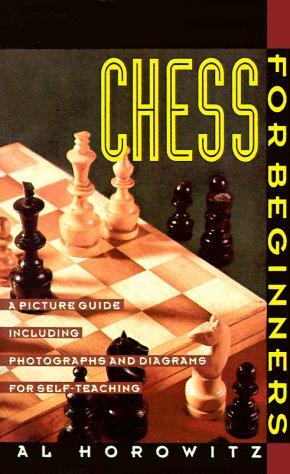
This older title is one recognizable example of the category, not a universal recommendation. We have not reviewed every edition. Preview the contents, diagram orientation, notation, print size, and sample lesson for the intended reader.
Quick decision: buy, skip, delay, choose an alternative, or escalate
- Buy now when the learner enjoys printed instruction, knows the basic piece moves, and wants a lesson sequence to use beside a board.
- Delay when chess is still an experiment or the learner cannot yet follow a board diagram. Play a few short games first.
- Skip the purchase when an unused book at the right level is already available, or when the learner consistently prefers guided digital practice.
- Choose a cheaper alternative by borrowing from a library, previewing sample pages, or using free rules guides with a board.
- Escalate the choice to a teacher, club helper, or the learner when a curriculum, notation system, language, reading need, or class assignment must match.
When a beginner book is worth the cost
A useful lesson book gives the learner a path that random tips do not: setup and movement first, then check, checkmate, simple tactics, and practice positions. That sequence can help an independent learner know what to do next. Printed pages also make it easy to keep one position visible while both hands move pieces on a board.
The book should be usable, not merely comprehensive. Look for large, conventional diagrams; short lessons; terms defined before they are used; and answers that explain why a move works. A book that requires fluent algebraic notation from page one is a poor first purchase for someone who has not learned board coordinates.
A book has more value when it supports an existing routine: one short lesson, one position rebuilt on the board, and one mini-game using the idea. Without that transfer to play, reading can feel productive while leaving the beginner unsure what to do in a real game.
When free guidance is enough
An absolute beginner does not need a paid curriculum to learn the names and legal movement of the pieces. A clear movement guide, a readable board, and a patient partner can cover the first sessions. Our guide to setting up a chess board correctly handles the starting position, while the movement pillar explains each piece without assuming prior knowledge.
Free guidance is also the sensible test when interest is uncertain. Try three short sessions: set up the board, play a few piece-movement mini-games, and attempt one slow game. If the learner asks for a more orderly path or wants exercises between games, a book now solves a demonstrated need.
Five criteria to check before buying
- Prerequisites: does the book truly begin with setup and legal moves, or does “beginner” mean a player who already finishes full games?
- Diagram clarity: can the learner distinguish the pieces, board orientation, coordinates, and side to move without guessing?
- Notation load: are moves explained in words and diagrams before compact chess notation becomes essential?
- Lesson-to-board transfer: does the book prompt the learner to set up positions, make moves, and play, rather than only read?
- Answer quality: do exercises have solutions that explain the idea, not just a move printed at the back?
Red flags in a first chess lesson book
- The sample chapter opens with unexplained notation, named openings, or long game scores.
- Diagrams are small, crowded, inconsistently oriented, or use piece symbols the learner cannot recognize.
- The contents jump from rules to difficult tactics without short practice steps.
- Answers list only the correct move and give no reason or relevant reply.
- The age label substitutes for a sample-page check of vocabulary, print size, and independence level.
- The listing mixes editions or formats, so the displayed pages may not match the copy being sold.
Cost, maintenance, and setup tradeoffs
Judge cost by likely use, not page count. A short library book completed with a board is more valuable than a large reference left unopened. Before purchasing, compare the exact edition, binding, print size, and whether the learner writes in the pages. A workbook meant to be marked up is harder to reuse or share than a lesson book paired with a notebook.
Printed books need little maintenance, but they do require storage, adequate light, and a place beside the board. Lay-flat binding can make position practice easier; a stiff book that closes by itself adds setup friction. Keep a bookmark and a small notebook with the set so the next lesson can begin without searching for materials.
A digital lesson can reset positions and check moves automatically. A printed book cannot, so beginners must set each example carefully and may need a helper to catch mistakes. That slower setup is useful when learning the physical board, but frustrating when the learner mainly wants quick solo feedback.
Who should skip a lesson book for now?
- Someone who has not chosen chess yet. Borrow equipment and try a few sessions before adding a curriculum.
- A learner who dislikes reading instructions. Short guided games with another person may teach more than an unread book.
- A beginner who needs immediate move checking. A carefully selected app can provide faster feedback before printed study is added.
- A child whose adult expects independent study from an adult-oriented book. Choose shared lessons or a format matched to the child's reading level.
- A player who already knows the rules and wants a specific skill. A tactics workbook, endgame guide, or teacher may fit better than another general introduction.
Try this no-cost test first
- Borrow a beginner chess book or open a full publisher-provided sample.
- Ask the learner to follow one diagram and explain the task in their own words.
- Rebuild the position on a board without correcting it for them.
- Complete one exercise and inspect the answer explanation together.
- Buy only if the learner wants another lesson and the format removes uncertainty rather than adding it.
If the sample works, compare beginner chess book categories rather than assuming the most famous title is the best fit. If it does not, the physical board versus app guide can help choose a different first learning format.
If you are deciding between print and a defined digital curriculum, compare a chess book with an online course for an absolute beginner, then use the readiness checks in whether an online chess course is worth it. If the real choice is a finite beginner sequence versus recurring articles, use the separate chess magazine subscription decision.
Bottom line
Buy a chess lesson book when an absolute beginner wants structure, can understand its diagrams and language, and will practice the lessons on a board. Preview the exact edition and one complete exercise-and-answer pair before paying.
Skip or delay when the learner is still testing interest, needs only the basic rules, or learns better through guided play or immediate digital feedback. A first chess book should solve the problem of “what do I learn next?”—not become another prerequisite before the first enjoyable game.